
Boston. Of all the parts of a house, the roof asks for the least attention and punishes neglect the most. It sits out of sight and out of mind until a brown stain appears on a bedroom ceiling, and by then the cheap repair has usually become an expensive one. The stretch of warm, dry weather in high summer is the natural season to change that habit, because it is the one time of year when a homeowner can look the house over in good light and firm footing, before the next hard storm arrives to find the weak spots first.
None of what follows requires a tradesman's training. Most of it is simply a matter of looking, on a schedule, at the parts of a home that quietly protect everything underneath them. Think of it as a yearly physical for the exterior.
Start from the ground
The safest and most useful inspection begins with both feet on the lawn and a pair of binoculars. Walk the perimeter and study the roof plane by plane. Look for shingles that are missing, cracked, curling at the edges, or lying crooked. Look for dark patches where the protective granules have worn away, for any visible sag in the roofline, and for streaks of moss or algae, which hold moisture against the surface. A roof that looks tired from the sidewalk usually is. There is no need to climb; most trouble is visible from below to a patient eye.
Follow the water
A roof does not work alone. It sheds water into gutters and downspouts, and those must carry it clear of the house. Clogged gutters back water up under the shingles and spill it against the foundation, which is how a roof problem becomes a basement problem. Clear out leaves and grit, confirm that downspouts are attached and directing water several feet away from the walls, and watch during the next rain to see where the water actually goes. The path of the water is the path of the damage.
Mind the seams and the attic
Most leaks begin not in the broad field of the roof but at its interruptions: the metal flashing around chimneys, vents, skylights, and valleys where two slopes meet. Check that flashing is flat and intact and that any sealant has not dried and cracked. Then step inside and look at the underside of the roof from the attic on a bright day. Daylight where there should be none, dark water stains on the wood, a musty smell, or damp insulation are all early warnings worth heeding. While you are there, note whether the attic is well ventilated, since trapped heat and moisture shorten a roof's life from the inside.
Know when to call a professional
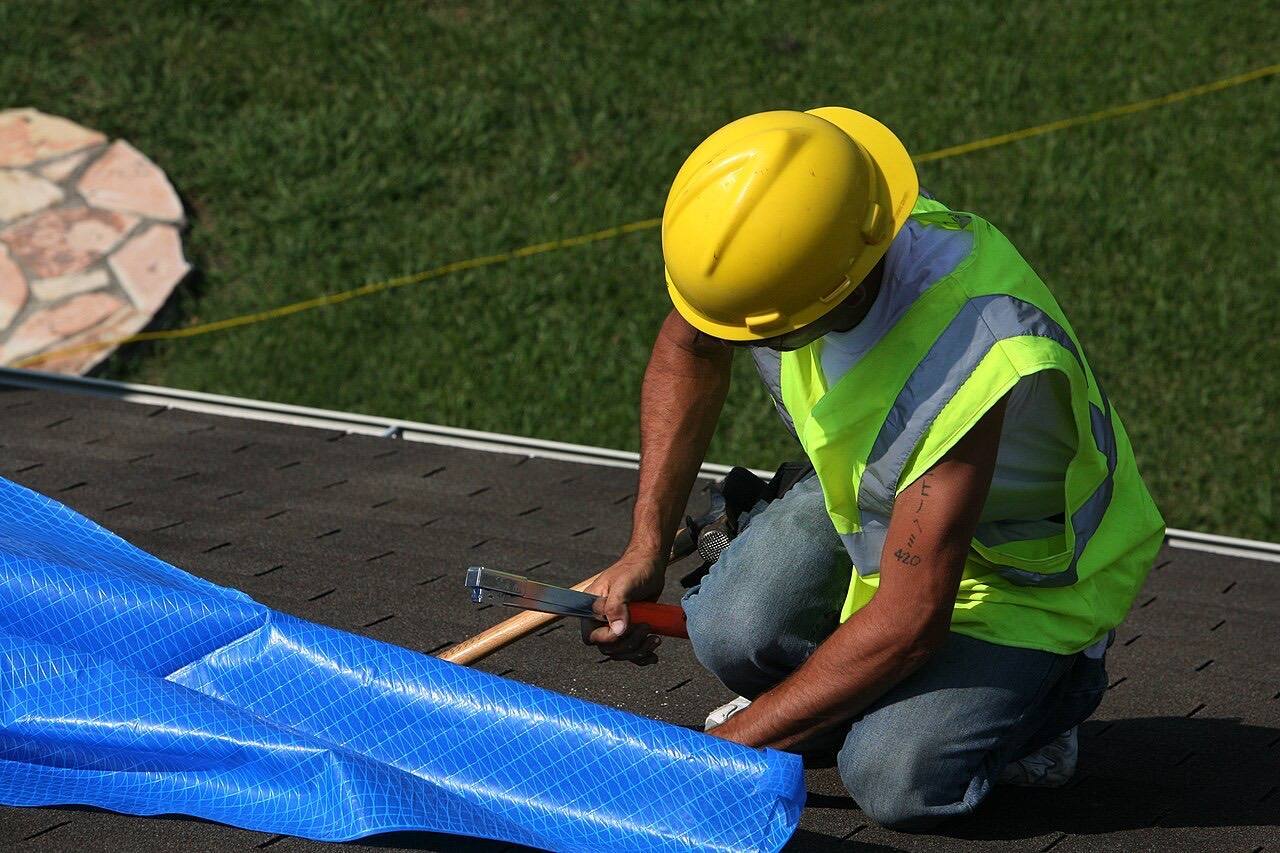
There is no shame, and considerable wisdom, in staying off the roof. Steep pitches, second and third stories, and slick or brittle surfaces send able-bodied people to the hospital every year. When an inspection turns up something beyond a lone loose shingle, or when a roof is simply too high or too steep to judge safely, the sensible step is to bring in a roofing contractor to look it over. A reputable one will walk the roof, photograph what they find, and tell you plainly whether you are looking at a small repair, a patch of preventive maintenance, or a replacement still years away. Get the assessment in writing, and treat a contractor who pressures you toward the most expensive option with healthy suspicion.
Keep a simple record
Finally, write down what you find and when you found it, and keep a few dated photographs. A short home file of this kind is invaluable after a storm, when an insurer wants to know the roof's condition before the wind arrived, and it turns vague worry into a clear maintenance plan. Homeowners who inspect on a calendar, rather than in a panic, tend to spend far less over the life of a house.
The roof is, in the end, the cheapest part of a home to maintain and the most expensive to ignore. An hour with a pair of binoculars on a dry afternoon is the best bargain in homeownership. Look up while the weather is kind, and the next storm will find far less to work with.