The Recent Surge of Social Media Regulations: Balancing Safety and Freedom
As social media platforms continue to shape youth culture, proposed regulations aim to protect teens while igniting a debate on personal freedoms.
By the Staff•
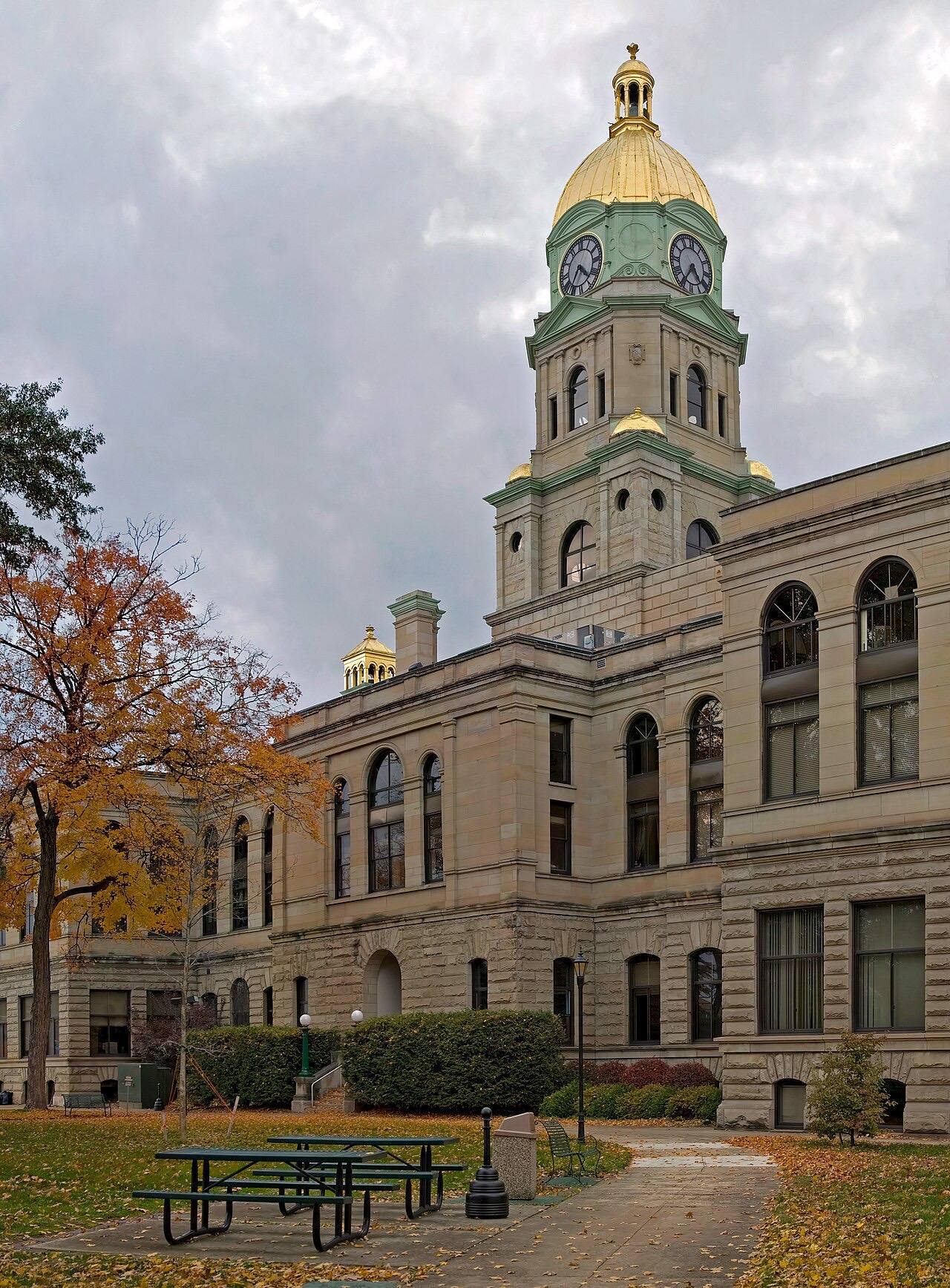
View of the Cabell County Courthouse in Huntington, West Virginia. Photo: JaGa via Wikimedia Commons (CC BY-SA 4.0)
In recent years, the conversation surrounding social media and its impact on young people has intensified. This dialogue has gained urgency as a recent proposal for a midnight social media curfew for older UK teens illustrates. While this initiative aims to protect young users, it raises important questions about the balance between safety and personal freedom.
Context of the Proposal
The proposed curfew suggests that older teens could be restricted from using social media after midnight, with the option to opt out. Advocates for such measures argue that limiting online interactions during late hours can help improve mental health and promote better sleep habits. However, critics have labeled these proposals as piecemeal, suggesting they do not address the larger issues surrounding youth engagement with social media.
Understanding the Concerns
The concerns surrounding social media often center on issues such as cyberbullying, mental health, and the potential for addictive behaviors. Studies have suggested a correlation between excessive social media use and mental health challenges among teenagers, including anxiety and depression. In this light, the notion of a curfew may appear to be a reasonable effort to safeguard young individuals from potential harm.
However, introducing restrictions can lead to unintended consequences. For instance, rather than fostering healthier habits, a curfew could prompt teens to seek out alternative methods of accessing social media, potentially increasing riskier behaviors. Moreover, limiting access may stifle the positive aspects of social media, which can include community building, support networks, and access to educational resources.
The Broader Conversation on Regulation
The conversation around social media regulation is not limited to curfews. Various countries and states are exploring a range of approaches to protect young users. These include age verification processes, restrictions on advertisements targeted at minors, and educational campaigns aimed at teaching responsible online behavior. Each of these measures carries its own set of implications for personal freedoms and privacy, leading to a complex debate about the role of government and parents in managing youth online experiences.
In the United States, the discussion often revolves around First Amendment rights and parental responsibility. Critics of heavy-handed regulations argue that parents should play a more active role in monitoring their children's online activities rather than relying solely on government intervention. This perspective emphasizes the importance of open communication and education over restrictions that may not resonate with teenagers.
Finding Common Ground
As society grapples with these issues, it is essential to seek common ground. Parents, educators, and policymakers must work together to establish frameworks that prioritize young people's safety while respecting their autonomy. This could involve collaborative efforts that combine educational initiatives with practical solutions that limit exposure to harmful content without imposing blanket restrictions.
In conclusion, the proposal for a midnight social media curfew for teens exemplifies a growing concern about the impact of technology on youth. While safety is a priority, finding the right balance between protection and personal freedom remains a critical challenge. As we navigate this evolving landscape, it is imperative to engage in thoughtful discussions that consider the diverse experiences of young people in a digital age.