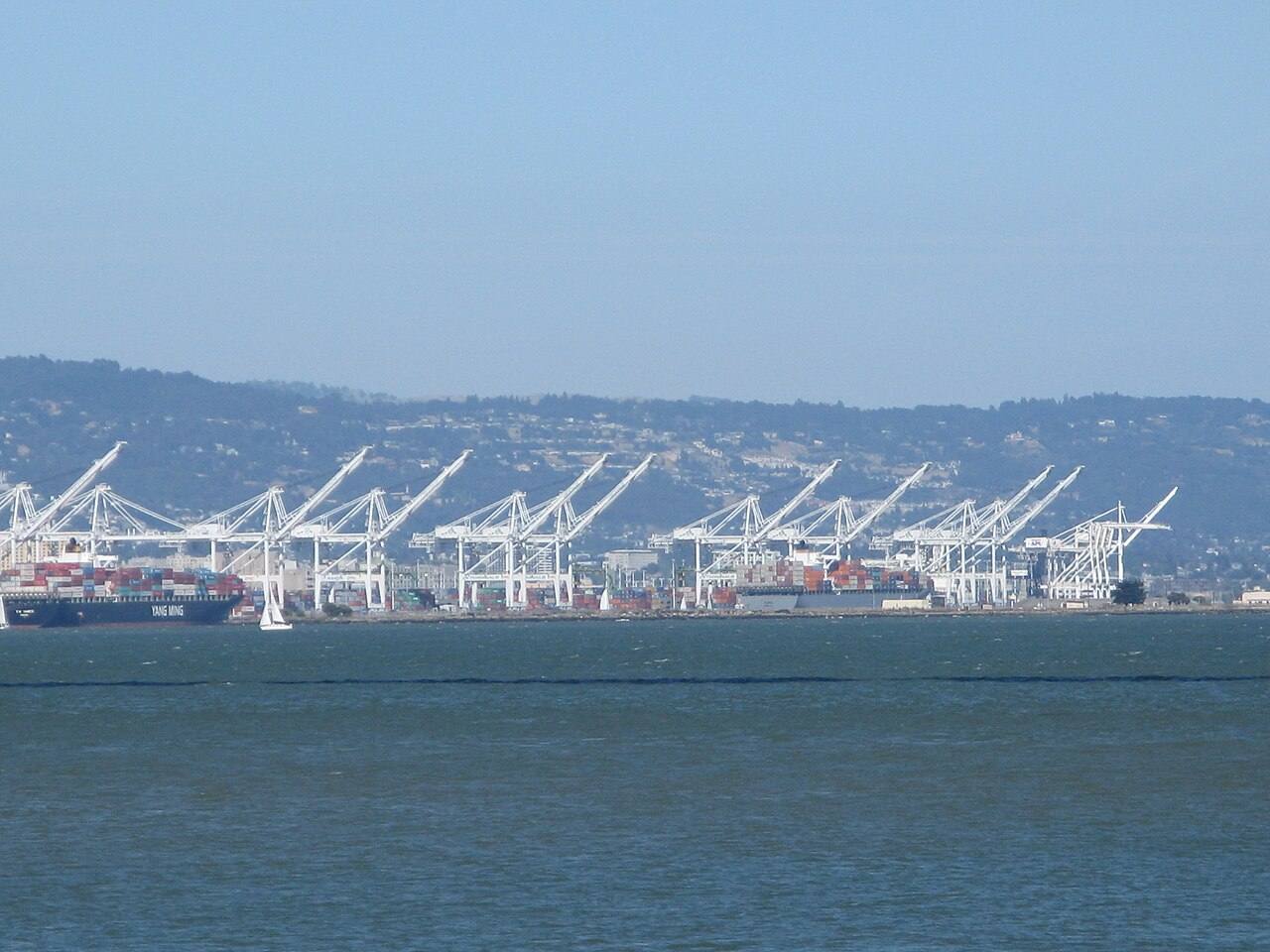
The Strait of Hormuz, a narrow passage that connects the Persian Gulf to the Arabian Sea, is a vital shipping lane through which a significant portion of the world's oil supply is transported. Recently, military tensions in this region have escalated, prompting concern among economists and policymakers alike about the potential impact on global trade and energy prices.
On Tuesday night, U.S. Central Command (Centcom) announced that it had completed an additional round of strikes on "dozens" of military targets near the Strait of Hormuz, following the resumption of a naval blockade. The strikes involved over 20 U.S. Navy warships deployed in the area, aiming to deter Iranian military actions that threaten shipping routes. This escalation of military activity was reported by The Hill.
Global Trade at Risk
The Strait of Hormuz is not only critical for oil transport but also serves as a key chokepoint for liquefied natural gas (LNG) shipments. According to estimates, approximately 20 percent of global oil trade and a significant portion of LNG pass through this strait. Any disruption in this area can lead to increased shipping costs and volatility in energy prices, which can ripple throughout the global economy.
In the context of these military actions, businesses and consumers should be aware that higher oil prices often translate to increased costs for goods and services. If tensions continue to escalate, the potential for a wider conflict could further threaten trade routes, leading to global supply chain disruptions. These developments underscore the interconnectedness of international relations and economic stability.
What Can Be Done?
In light of these tensions, it is crucial for U.S. policymakers to engage in diplomatic efforts to address the underlying issues contributing to the conflict. Maintaining open channels of communication with Iran and other regional stakeholders can help reduce the likelihood of military confrontations and secure the flow of trade.
Moreover, businesses operating in industries reliant on oil and gas should be proactive in assessing their supply chains and considering alternative sources of energy where feasible. Diversifying energy supply can provide more resilience in times of geopolitical uncertainty.
Looking Ahead
The ongoing situation in the Strait of Hormuz serves as a stark reminder of how military actions can have profound implications for global trade and the economy. As the U.S. continues to respond to threats in the region, the balance between national security and economic stability will be a critical concern for policymakers and citizens alike.
As we observe these developments, it is essential to stay informed and understand how they may affect our daily lives. The broader implications of military actions will undoubtedly shape the economic landscape, making civic engagement and awareness more important than ever.